My Story
The principles I try to run on, and the story behind them: from the end of a dead-end street in Havana to leading a team across the Americas.
Each chapter is a short stop. The longer thinking is in the essays, and the running record is in the log.
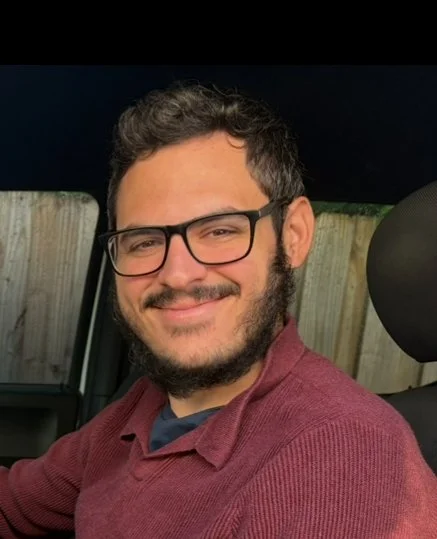
Guiding principles
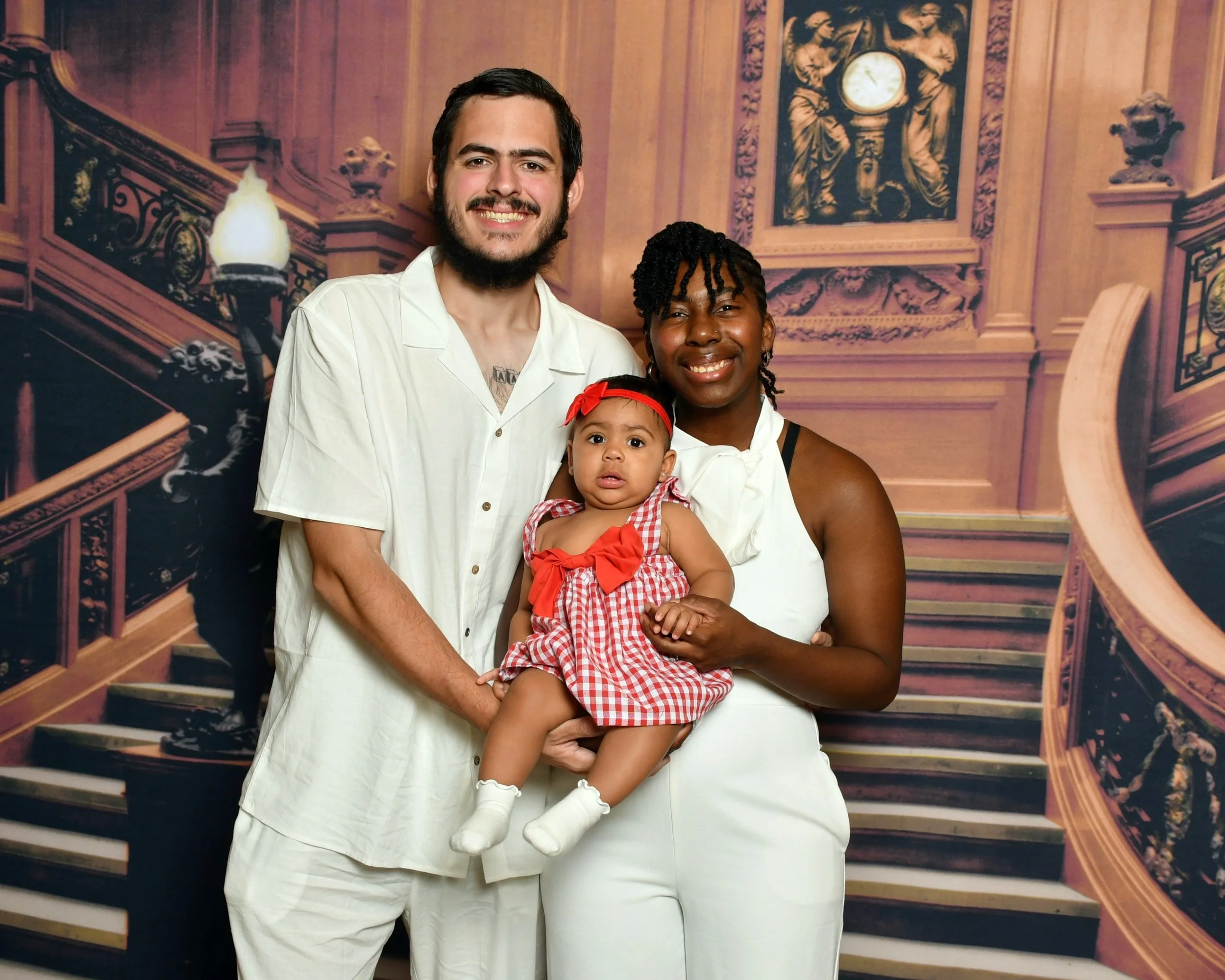
Family: My Why
My greatest win. Everything below is preparation for building a life my daughter can inherit with pride—skills, options, and a name that stands up. The work, the systems, the late nights: they’re all aimed at giving her more choices than we had.
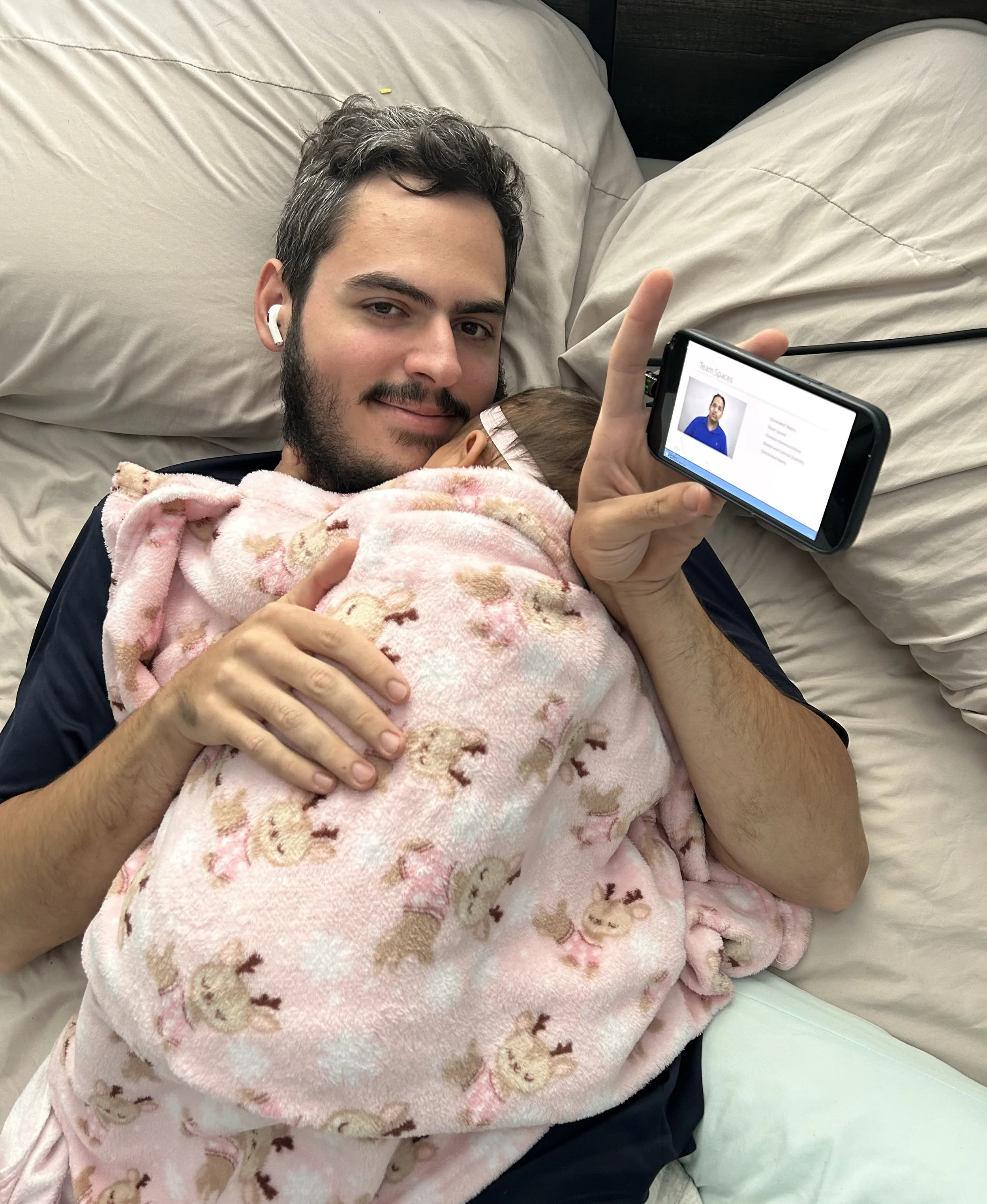
Learn in Public
Method, not a milestone. I work in the open—sharing frameworks, rough drafts, what failed and why—then iterating with feedback. The approach is inspired by Shawn “swyx” Wang’s Learn in Public; what follows is my reflection and how I’ve run with it.
- Own the outcome
No excuses, clear standards, and responsibility that starts with me. Own the obstacle, do the reps, earn the freedom.
Discipline and Traction- Find the system underneath
Whether it’s service design, data pipelines, or community projects, I’m still asking the same question: what system is underneath this?
Binghamton & Science- Listen first
Service means caring enough to really hear someone, and caring enough that the next person never has to ask.
Value and Failure Demand- Decide, then adjust
Wrong decisions give you feedback. No decisions give you nothing. Make resets a deliberate ritual, not an accident.
Pivot: Leaving Podiatry- Widen the doorway
Systems and information should work for the people who need them most, not just the people who already know how to navigate them.
Community Work & Impact
Chapters
Roots
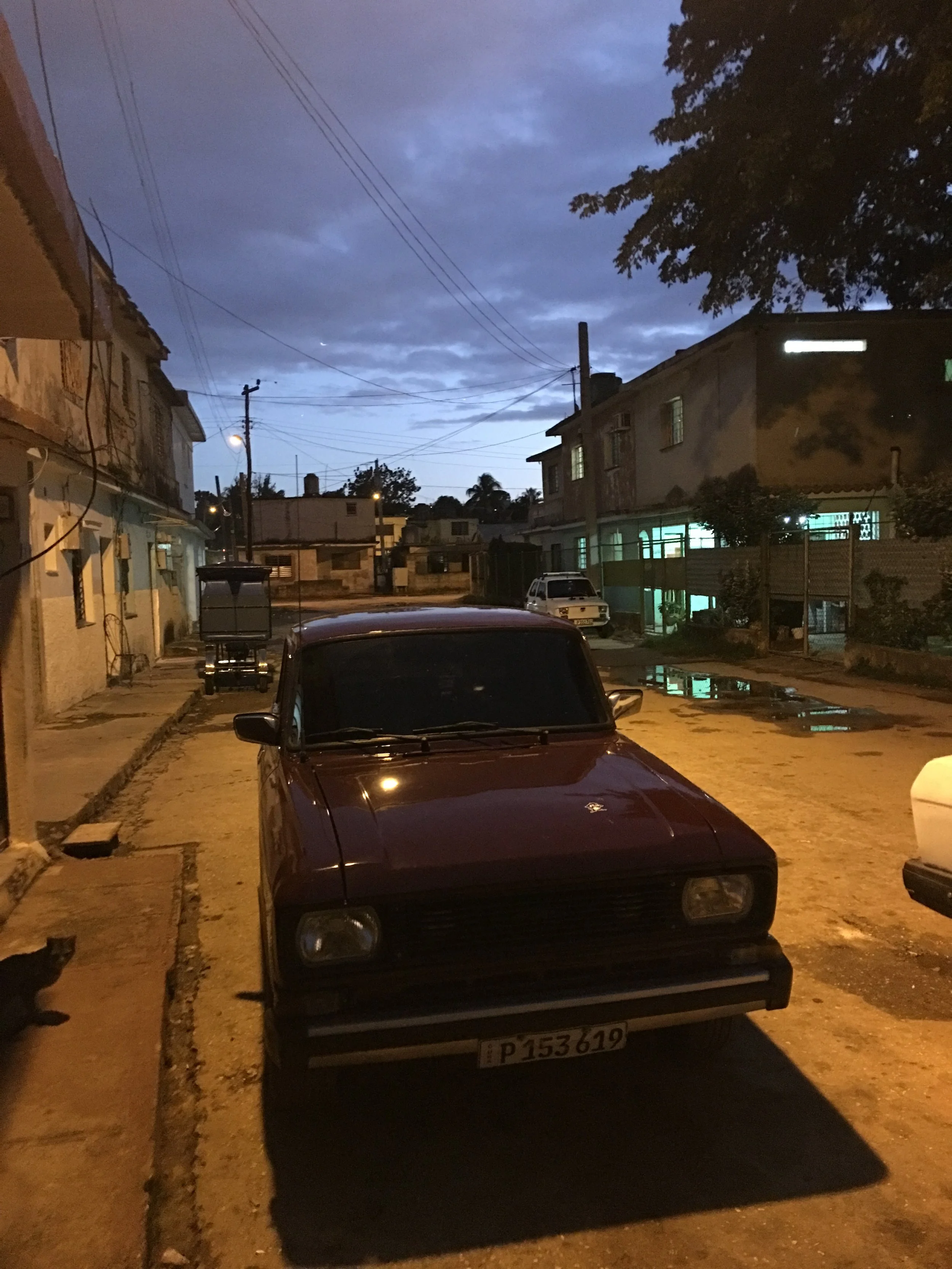
Cuba: Beginnings
I grew up at the literal end of a dead-end street in Havana. Humble beginnings, tight community, and make-it-work ingenuity shaped how I see responsibility, family, and grit.
Takeaway: Start from where you are, but never stay stuck there.
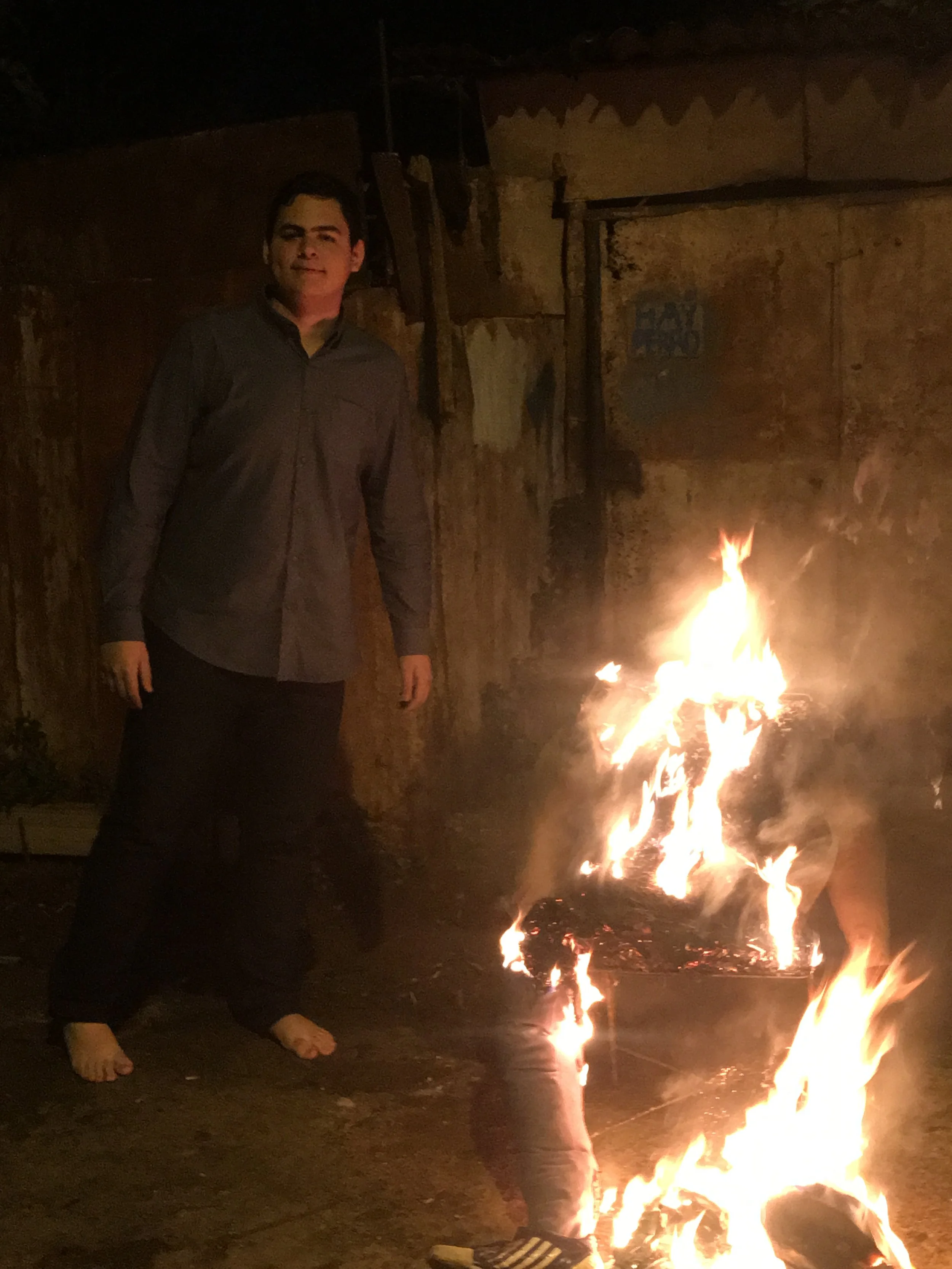
Clean Slate: Tradition
Every New Year’s Eve we burn a life-size mannequin to leave the bad behind and invite the new in clean. That ritual still guides how I reset goals, cut dead weight, and start fresh on purpose—no coasting, no drifting.
Takeaway: Make resets a deliberate ritual, not an accident.
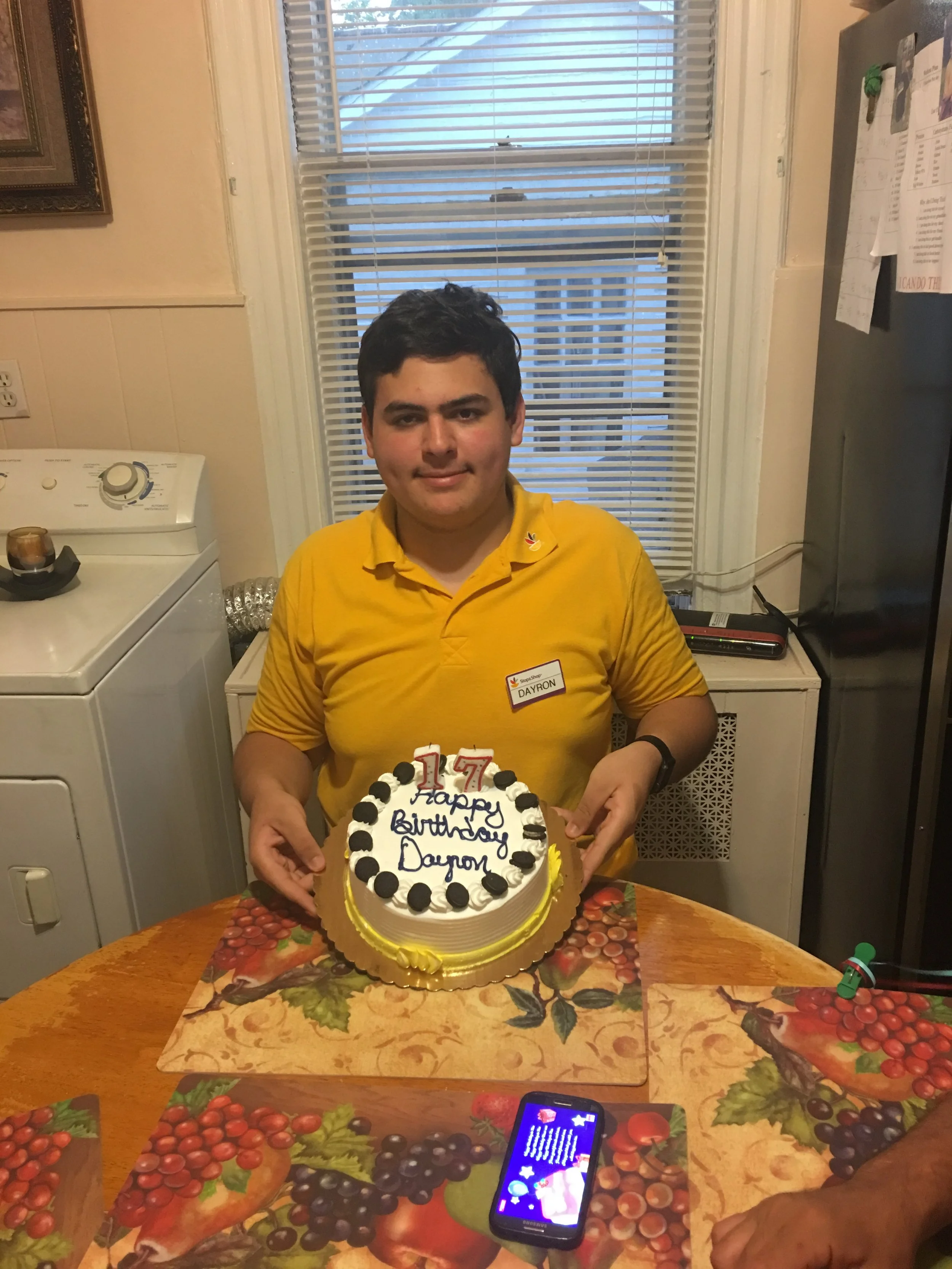
First Job: Stop & Shop
At 16 and 17 I went straight from school to shifts—bagging, stocking, covering wherever I was needed. It was my first education in pace, stamina, and showing up when you’re tired.
I led our charity-donation drives because I wanted to help, and because doing the best work available mattered. I wanted my parents to see their sacrifices turning into momentum, not just survival.
Finding the Path
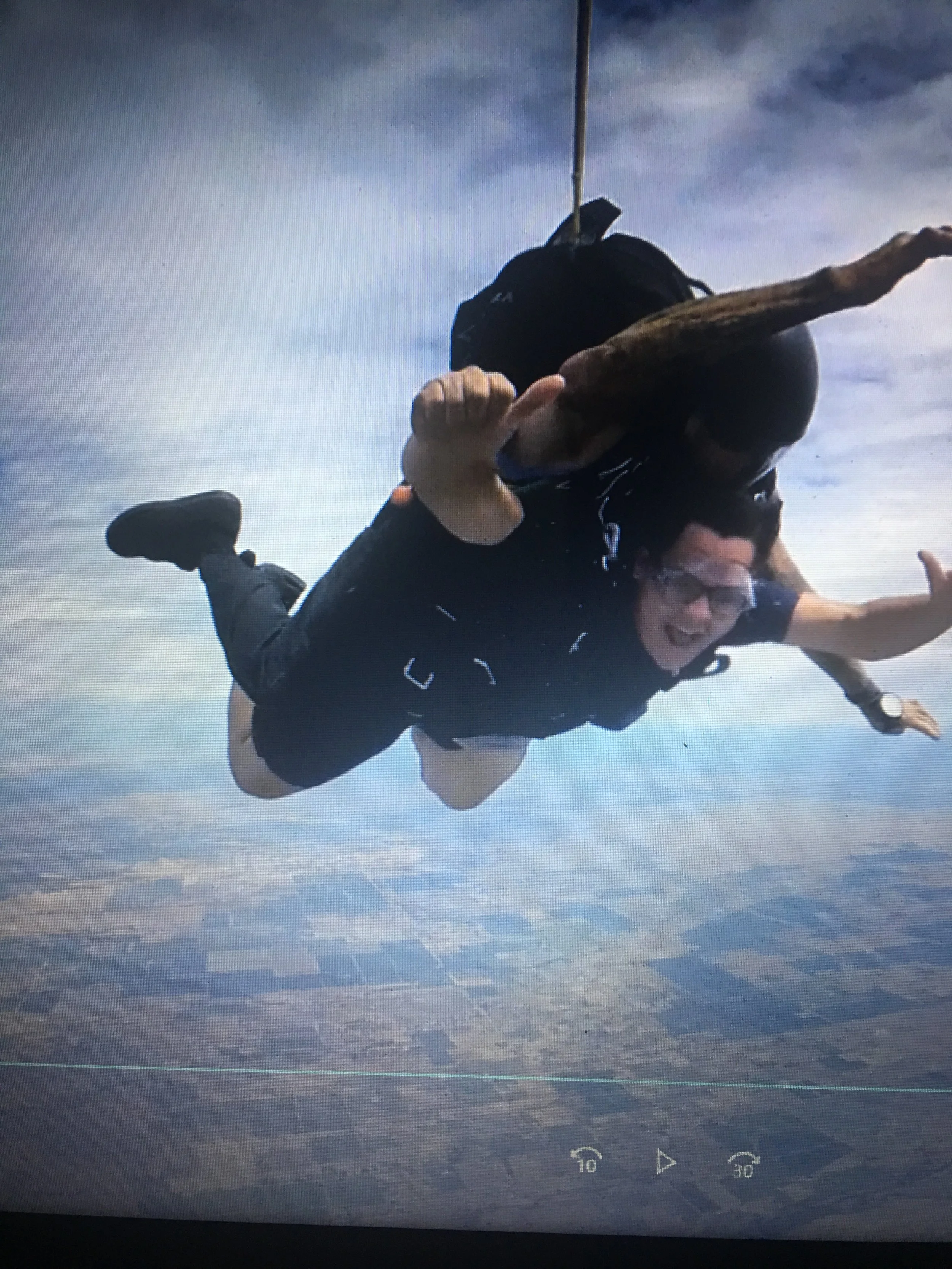
Discipline and Traction
Heights were my biggest fear. At 18—270 pounds—I flew to Lodi, California, the only drop zone that would take me. Jumping anyway rewired what “impossible” meant. That’s the template: own the obstacle, do the reps, earn the freedom.
Years later, Jocko Willink’s 2017 TEDx talk on Extreme Ownership gave me the language for what I’d already started doing: no excuses, clear standards, and responsibility that starts with me.
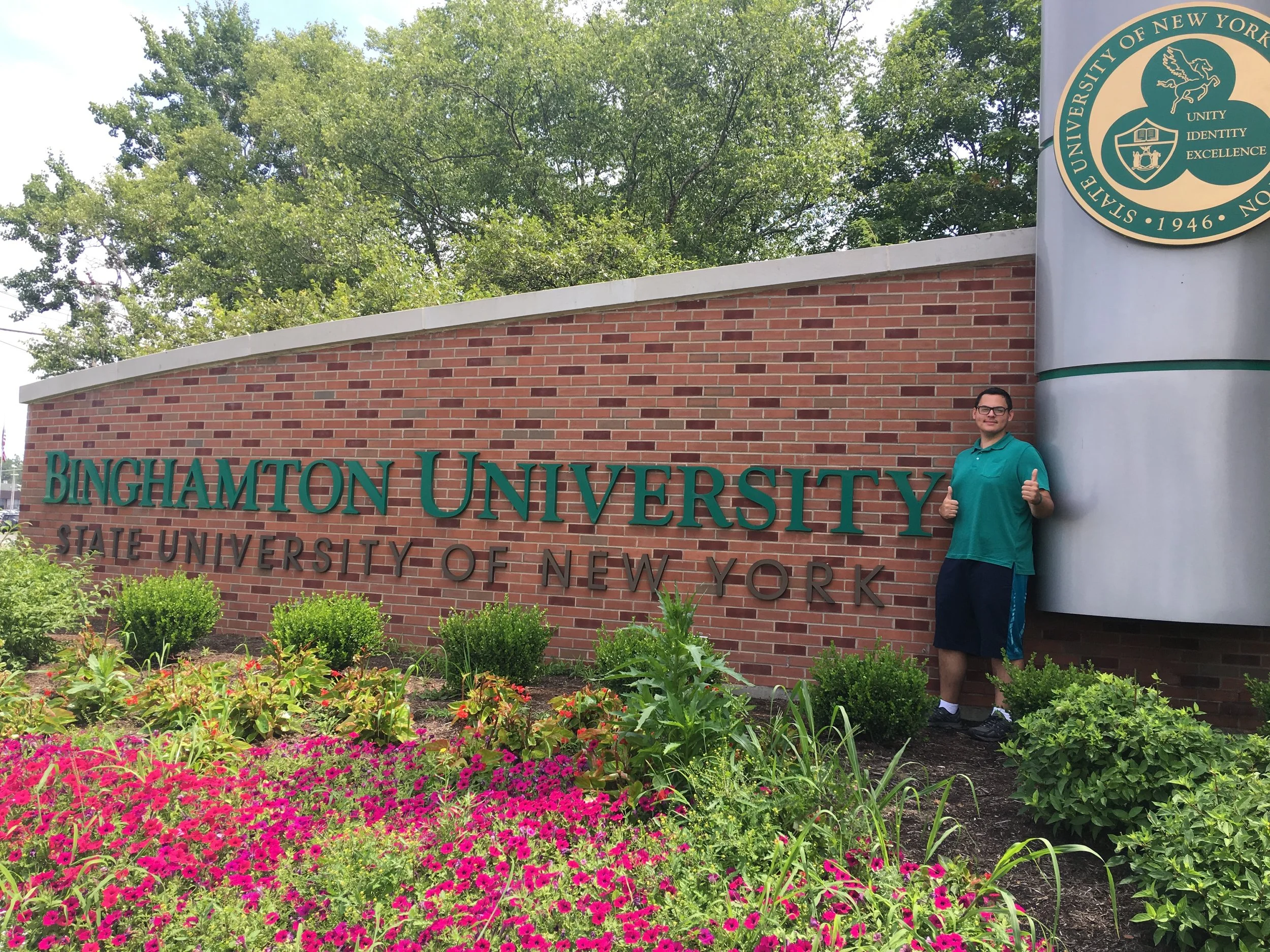
Binghamton & Science
My first ambition was medicine. Biology hooked me on systems—feedback loops, causes and effects, and the levers you can pull to change outcomes.
The curiosity never left; it just keeps finding new arenas. Whether it’s service design, data pipelines, or community projects, I’m still asking the same question: what system is underneath this?

Podiatry, Advocacy, APMSA
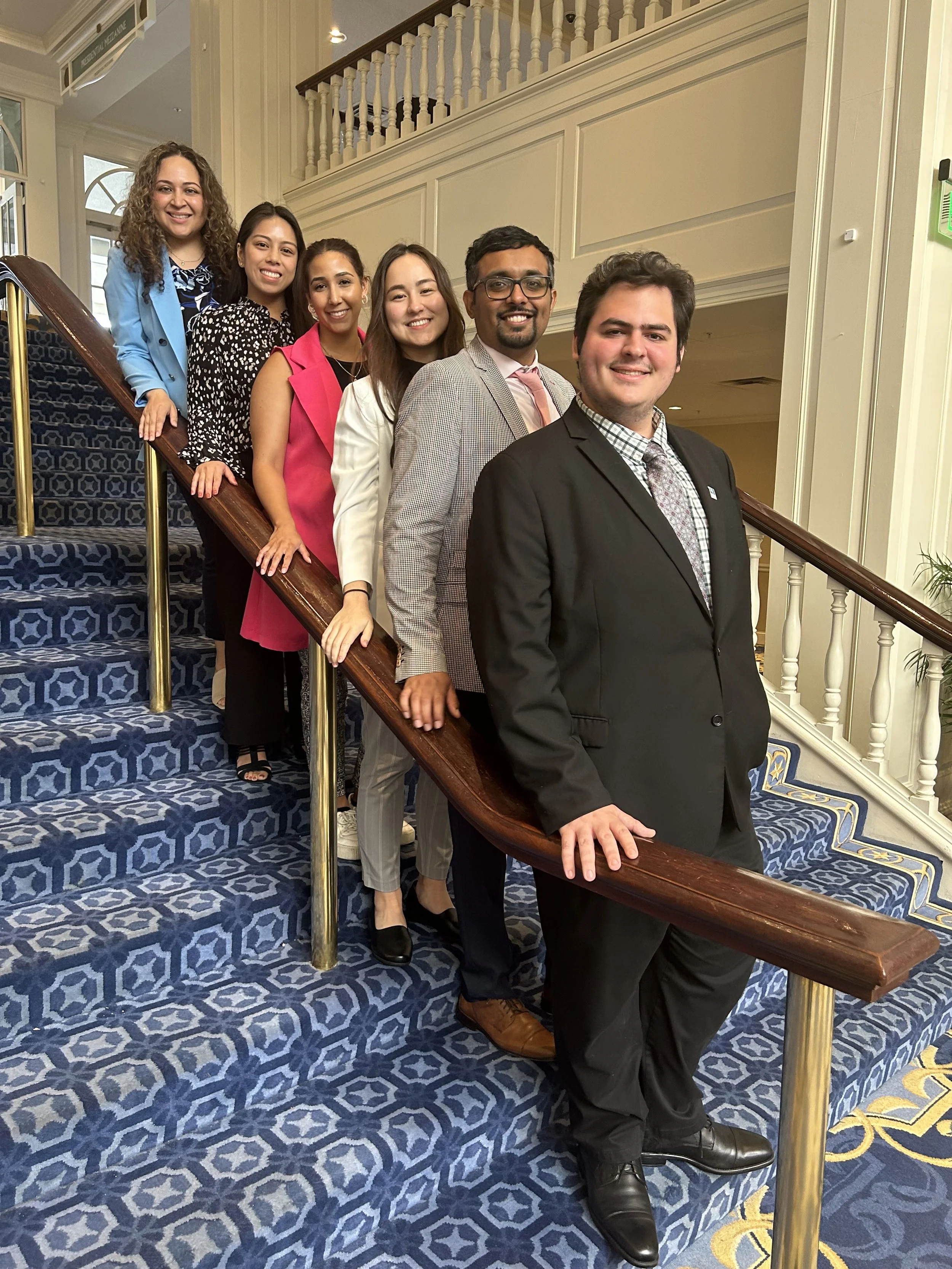
I pursued medicine to help people and found another calling in advocacy. As APMSA Legislative Liaison I contacted lawmakers, learned the mechanics of policy, and built the confidence to speak with decision-makers.
It taught me that service scales when you pair compassion with structure—clear agendas, follow-ups, and coalitions. Those muscles now show up in how I run projects, push for quality fixes, and build better systems at work.
Pivot: Leaving Podiatry
I left because the fit wasn’t honest anymore—too much patient suffering, passion gone, and a chronic health condition that would make the work unsustainable long-term. I chose a harder truth: build where my strengths in systems, analytics, and leadership create broader impact.
For as the heavens are higher than the earth, so are my ways higher than your ways, and my thoughts than your thoughts.
Isaiah 55:9 KJV
Personal Development
I rebuilt from the inside out—gratitude, discipline, ownership, better questions. A few voices shaped that rebuild:
- Louise Hay: language shapes identity; change the script, change the slope.
- Jim Rohn: don’t wish for easier; build capacity and standards that hold.
- Matthew McConaughey: be less impressed, more involved; action beats awe.
Building
Service and Systems: Hot Tub Era
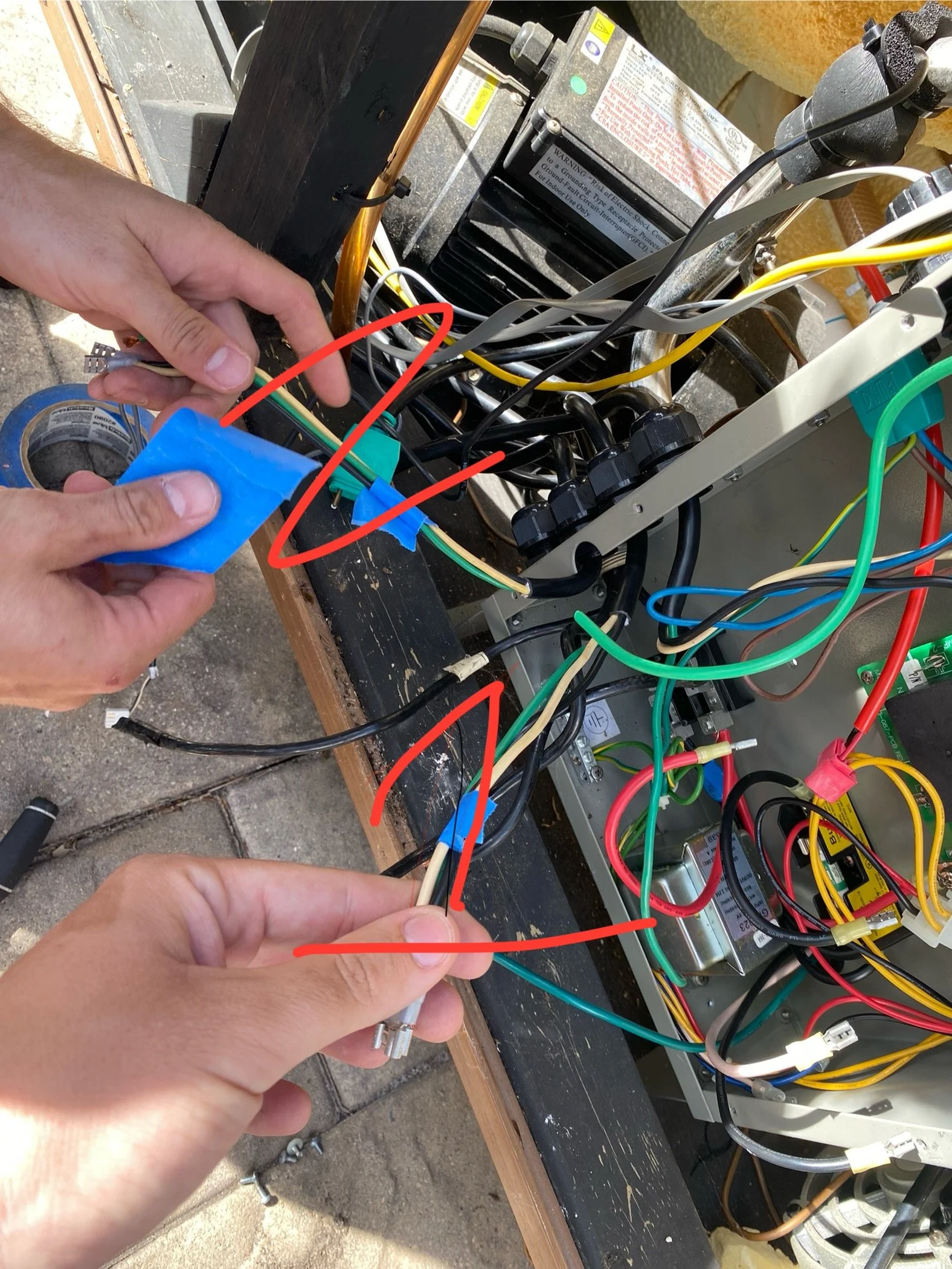
Back to hands-on work. I sold, scheduled, delivered, and fixed tough problems for high-value clients—often in backyards where expectations and stakes were high.
I learned to tie service quality to revenue, document repeatable solutions, and stay calm when things broke in real time. It was my first real taste of being the person people called when something expensive stopped working.
Community Work & Impact
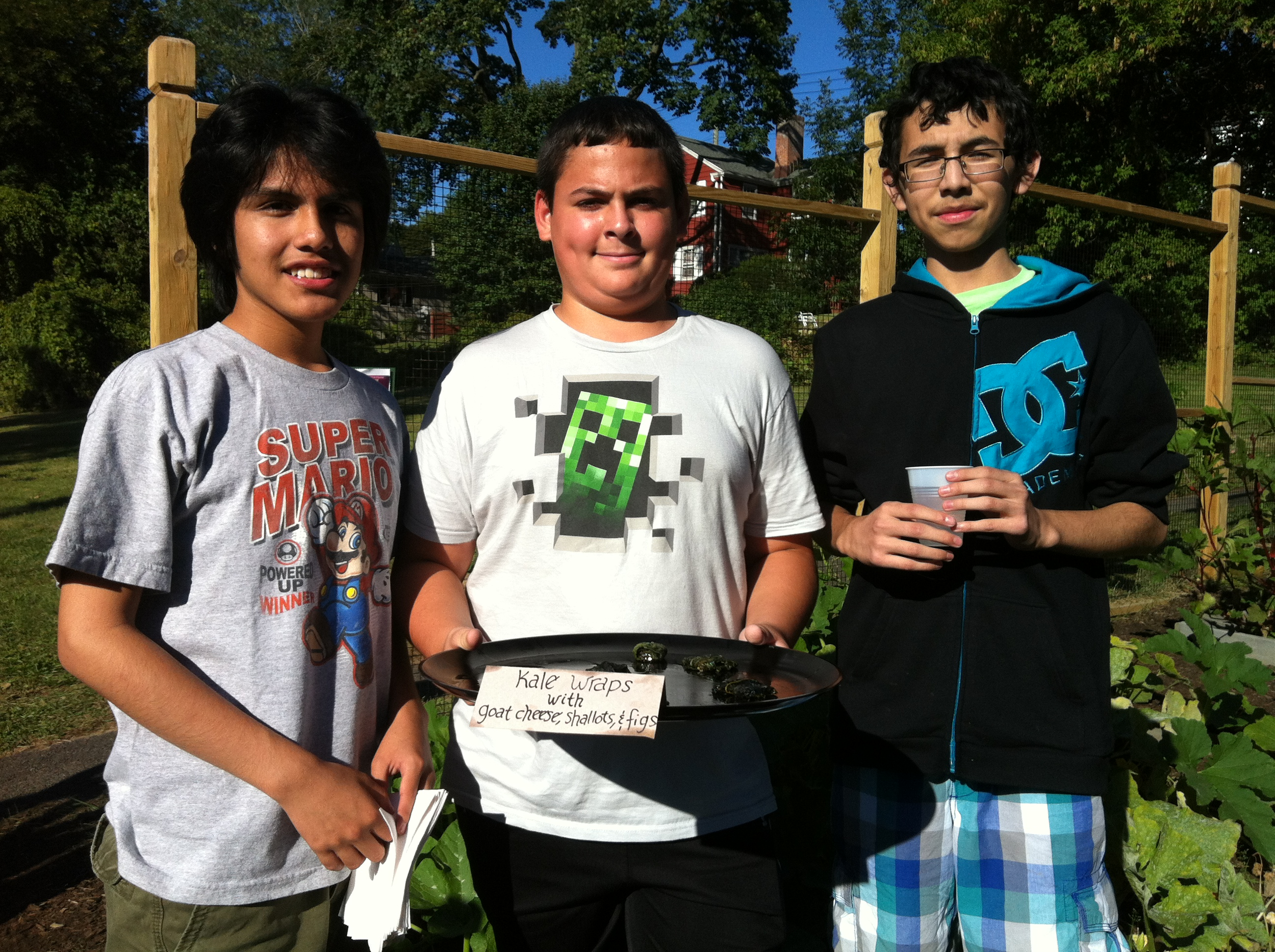
Community work wasn’t something I grew into as an adult — it’s been there from the start. In eighth grade, I helped run our middle school’s “Giving Garden,” growing hundreds of pounds of produce for local food pantries. A local newspaper even quoted me about the work:
“It is a lot of hard work and it takes time but in the end it pays off because it is healthy eating but it is all very delicious,” – eighth-grade Dayron Hernandez, Port Chester Patch
Looking back now, it makes sense — that same drive to support my community is exactly what shaped the work I do today.
As my skills grew, the question shifted from “How do I build a career?” to “How do I widen the doorway for people like my family?” That’s where my community work lives.
Degrees Sin Barreras: a program to help Latino students use alternative-credit pathways (CUNY, CLEP, Sophia, WGU, and more) to cut cost and time to degree—using Discord, Notion, and light automations to scale mentorship and guidance.
SRQ Food Map: a living map and QR-driven flyer system that helps families in Sarasota quickly find nearby food pantries and support, especially when benefits shift or disappear.
Together, these projects are proof of the same belief: systems and information should work for the people who need them most, not just the people who already know how to navigate them.
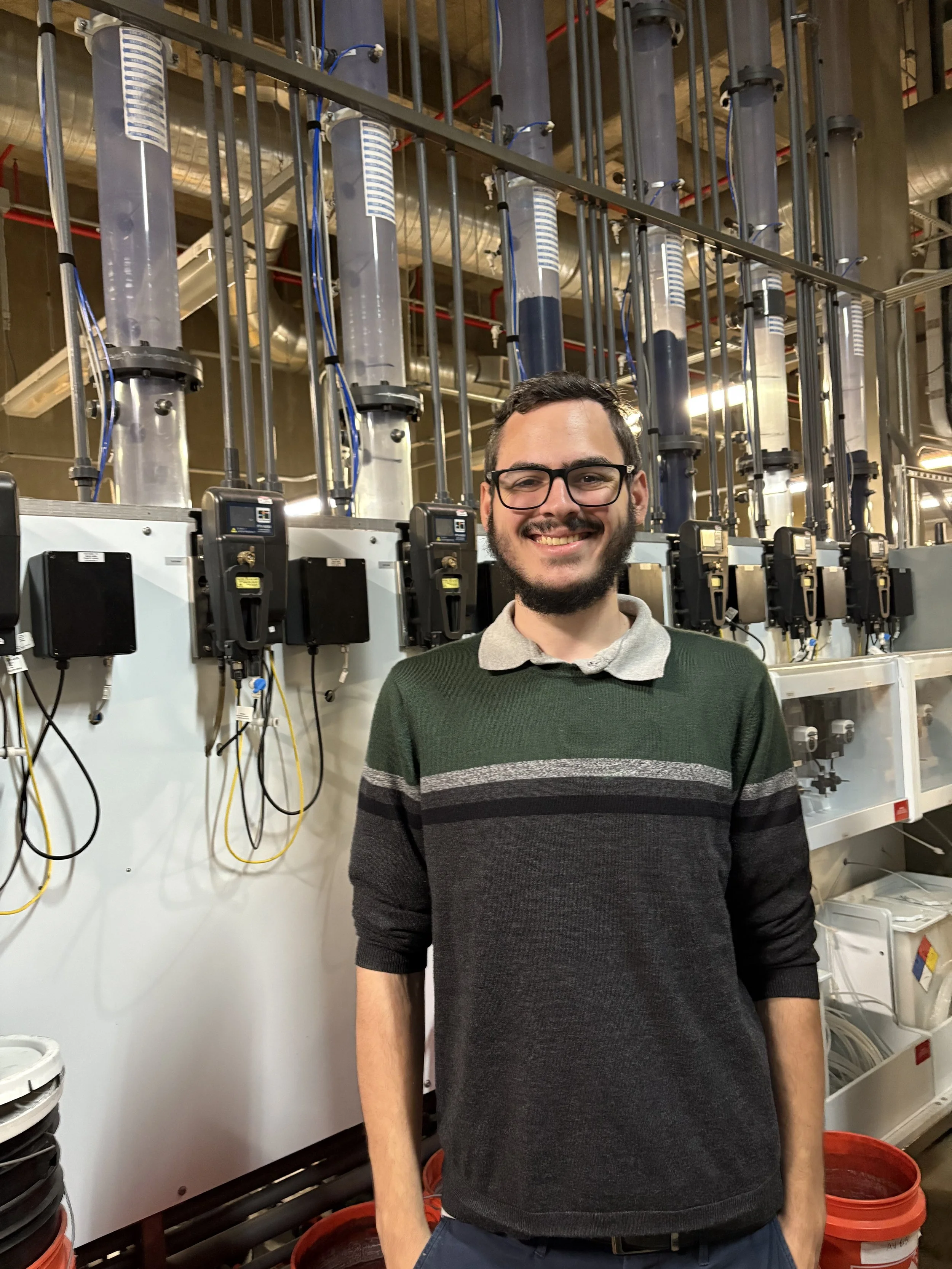
Lovibond: Building the Machine
Technical Support became a revenue engine. I built the help center, dashboards, and governance that connected service, sales, and quality across the organization.
- 175+ help-center articles led to faster resolution and higher CSAT.
- Dashboards linked tickets to CRM opportunities and surfaced more than $100K in pipeline.
- Quality feedback loops accelerated product investigations and reduced repeat issues.
Takeaway: Support isn’t a cost center when you measure, instrument, and tell the story in data.
Chapter 12
Pulsar: Leading the Team
In July 2026 I moved to Pulsar Measurement to lead customer success and technical support for the Americas. For the first time the job is less about what I can build myself and more about what a team of application engineers and support specialists can deliver together.
This chapter is still being written. The running version lives in the log.
Keep reading
The longer thinking behind these chapters is in the essays. What I’m working on this month is in the log, and the dates and titles are on the timeline.